
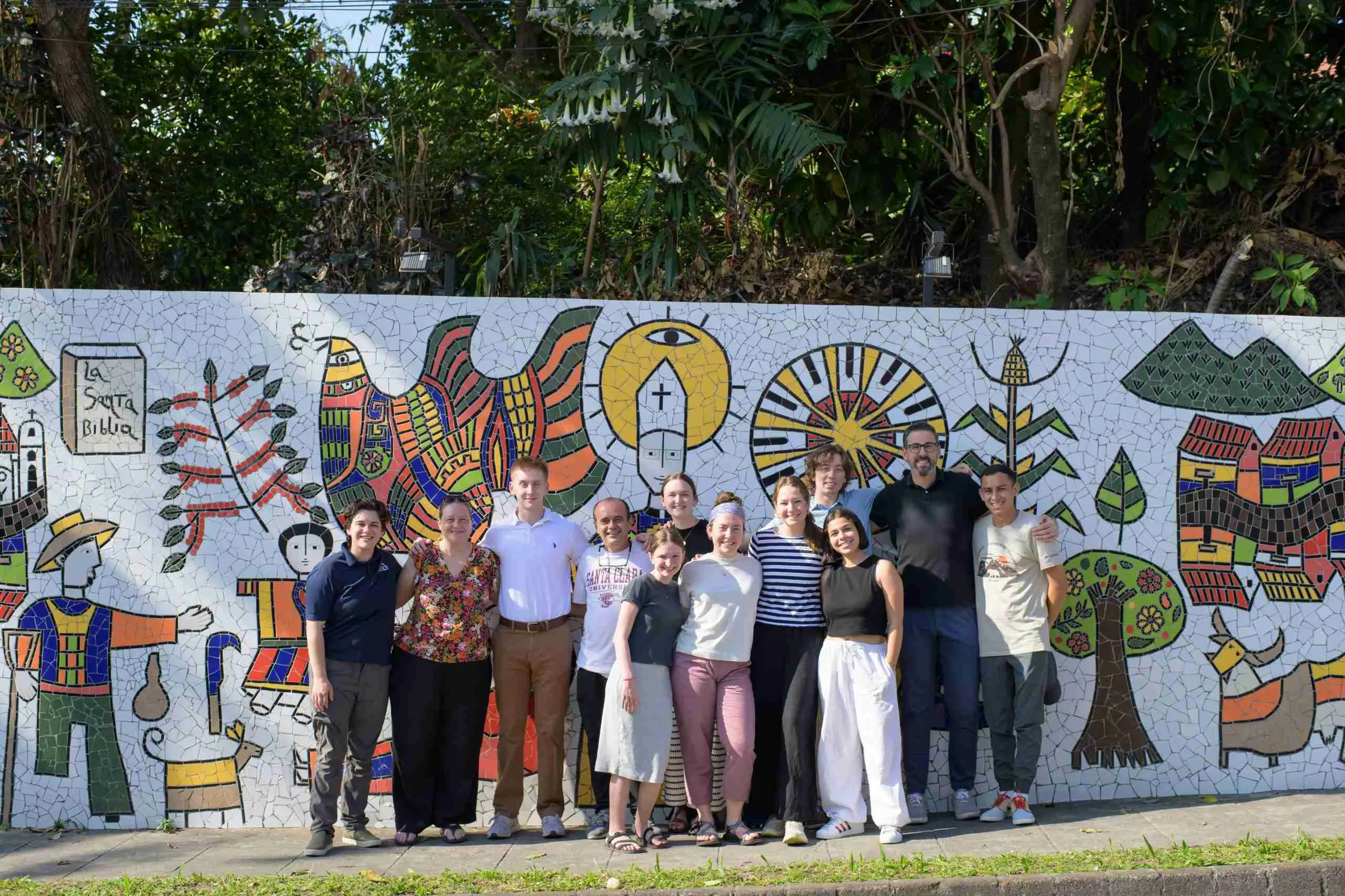
In the past eight years, the MAGIS Exchange program has impacted the lives of people all around the globe. They have operated in six regions worldwide, with a total global network of 42 Jesuit universities. Through this collaboration, the program has trained 207 students on important topics such as the Replicable Global Environmental Citizenship Course (GECC).
Read more
On May 27, 2026, the extension course "Environment, Corruption" got underway, an academic initiative that's part of a broader international research project looking at the impacts of socio-environmental corruption across Latin America and the Caribbean. The course is led by AUSJAL together with social centers tied to the Society of Jesus, with the goal of encouraging critical reflection, knowledge-sharing, and stronger community capacity to confront this issue.
Read more
On May 4, 2026, Jesuit universities in Latin America and the United States celebrated the development of a web platform that optimizes the process of connecting classrooms globally. This project eliminates a long-standing barrier to connection and allows efficient transcontinental collaboration.
Read more
UNIJES presents the results of a survey conducted among faculty members at its six universities regarding the use of generative artificial intelligence tools in teaching and research. The study, which involved 681 faculty members, provides a comprehensive overview of the integration of AI into higher education, analyzing both its main applications and potential, as well as the pedagogical, ethical, and academic challenges it currently poses in the university context.
Read more
The International Association of Jesuit Engineering and Science Schools (IAJES) Ignatian Mentoring Program continues to grow as a meaningful initiative connecting faculty and staff across institutions, cultures, and regions. As part of an ongoing effort to reflect, learn, and improve, a participant experience survey was conducted to better understand the impact of the program.
Read more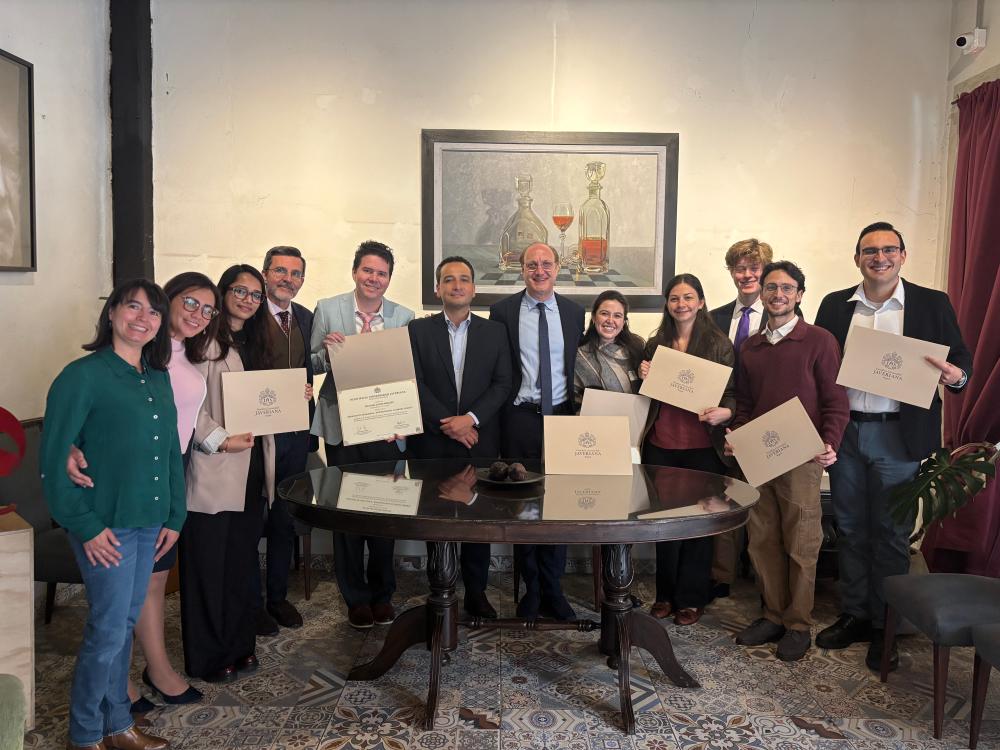
In March 2026, the Pontificia Universidad Javeriana Bogotá hosted a distinguished delegation from the Clough Center for the Study of Constitutional Democracy at Boston College for an immersive academic experience on democratic resilience. More than a study visit, this initiative represents a concrete expression of the mission of the International Association of Jesuit Universities (IAJU): to mobilize Jesuit higher education as a global force for justice, dialogue, and the strengthening of democratic societies.
Read more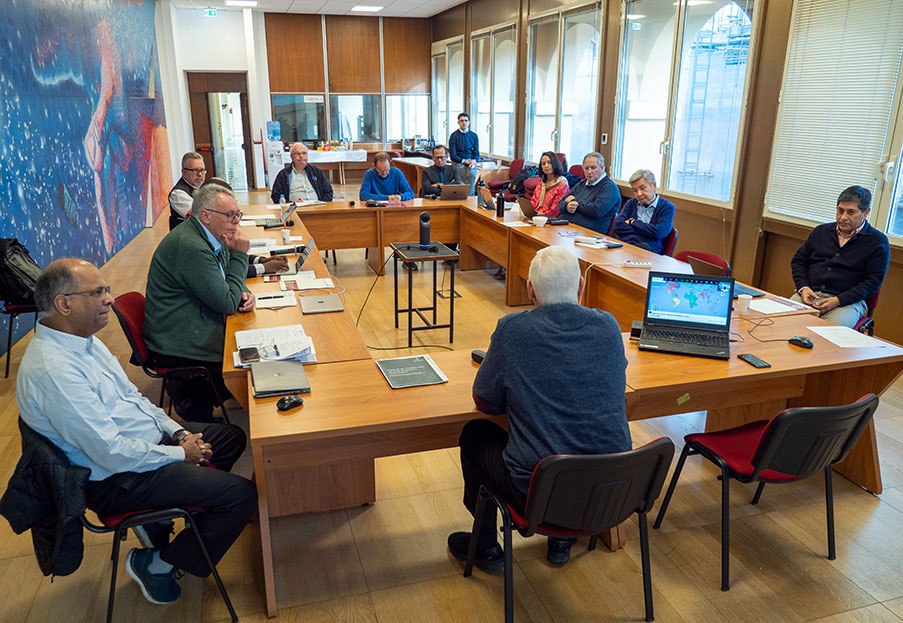
On 30-31 March 2026, the Board of the International Association of Jesuit Universities (IAJU) met at the General Curia in Rome to review the ongoing implementation of the Strategic Agenda (2024-2028) and the priorities defined at the Assembly in Bogotá in July 2025. At that Assembly, leaders from around the world identified six major challenges at the global level: democracy and global citizenship, student mental and spiritual health, secularization, Artificial Intelligence, migration and refugees, and environmental justice, along with a call to concretely increase collaboration among institutions.
Read more
Scholars, researchers, and academic leaders from Jesuit universities around the world gathered from 9 to 12 March 2026 at the Ateneo de Manila University for the Inaugural Symposium of the Global Research Alliance of Jesuit Universities (GRAJU), marking a major milestone in global collaboration among Jesuit institutions of higher education.
Read more
In February 2026, the music program at the University of Alberto Hurtado, located in Chile, collaborated with the Franz Liszt Conservatory of Weimar, Germany, to bring Indigenous Chilean music to Germany. This event strengthened inter-regional ties, and reaffirmed UAH’s promise to promote intercultural dialogue and understanding through music.
Read more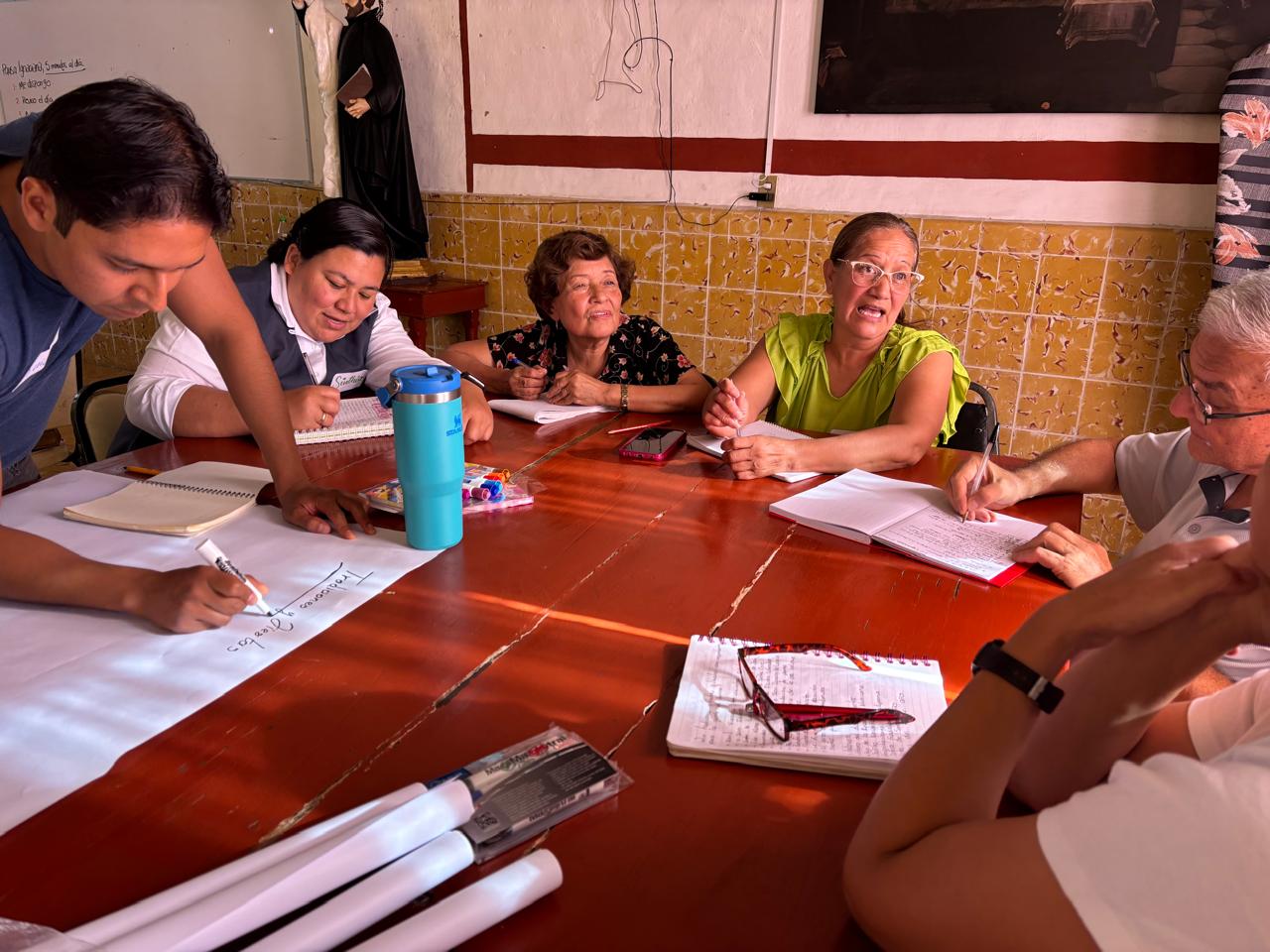
In an effort to promote formative experiences that translate the Ignatian Pedagogical Paradigm (IPP) into concrete practices of learning, service, and discernment, the Universidad Iberoamericana Torréon, through its Ignite Ignatian Pedagogical Clinic, developed the Formation Plan for Catechists of the Parish of Santa María de las Parras.
Read more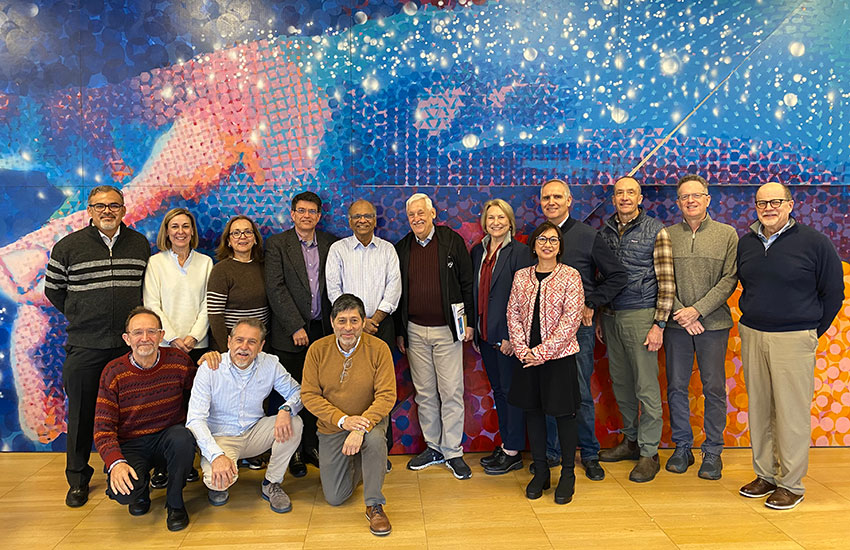
The conveners of ten working groups of the International Association of Jesuit Universities (IAJU) met for the first time in Rome from December 15 to 16 with the aim of fostering collaboration and aligning efforts towards a common vision: Jesuit universities as agents of social transformation in a world that desperately needs it.
Read more
This past August, the Jesuit commitment to the Universal Apostolic Preferences came to life through an inspiring global initiative connecting two continents. The Xavier Institute of Engineering (XIE) in Mumbai, India, and the Xavier Jesuit Institute (XJI) in Ijebu-Ode, Nigeria, joined forces once again to deliver Joy of Python—a program designed to expand educational opportunity and help close the digital divide in the Nigerian cities of Benin City and Lagos.
Read more