English Helps Rebuild Lives Amid Record Global Displacement
Ahead of World Refugee Day, a new report published by Cambridge University Press & Assessment and Jesuit Worldwide Learning (JWL) uncovered the multiple ways in which learning English supports refugees and other marginalised communities as they recover and rebuild.
This report evaluated the JWL's Global English Language (GEL) program from 2019 to 2024, focusing on refugee learners in Kenya, and returnee learners in Iraq.
Since its launch in 2017, the GEL programme has reached 32,000 learners across 100 centers in more than 30 countries. Cambridge University has supported the program through teacher training initiatives and the creation of learning materials and exams, with over 30,000 Cambridge English tests taken to date.
The analysis shows how learning English is helping displaced people rebuild their lives, strengthen communities and create pathways to further study and employment. This included less obvious benefits, such as providing a common language to help navigate life in camps with diverse populations, and improving access to education for women and girls.
Key Findings
Key findings include:
- Nine in ten students said that learning English had improved their life, with more than half reporting a large positive impact.
- 81% said that learning English had improved the lives of the people in their community
- More than seven in ten learners said courses had helped them improve their employment prospects or professional development.
- 90% of learners said that learning English had increased their confidence to interact with others in English.
Despite making up 51% of enrolled learners in Kenya, female students were half as likely to complete three GEL courses than male students. Based on this finding, JWL is working to expand the GEL programme to girls in high schools and has recruited more female facilitators to improve retention.
The report concludes that English education can be a bridge between displacement and opportunity.
Testimonies from faculty of the University Press & Assessment and Jesuit Worldwide Learning reinforced the need for programs like GEL.
Dr Brigita Séguis, Head of Impact Evaluation at Cambridge University Press & Assessment, said:
“While conducting this research something that stayed with me was the extraordinary lengths people went to, and the risks they took, simply to attend an English class. Participants described walking for hours in extreme heat, hitching rides or trekking through mountains, often at real danger to themselves."
“Despite this, many said they would do it all again because of the opportunities English offers. While basic needs like food, water and safety will always come first, learners also told us that education mattered because it helped them prepare for what comes next.”
Learner Experience
Panique's Story: A Shared Language Helps Rebuild Community in Kenya
The impact of the English program is visible in refugee camps such as Kakuma in north west Kenya – home to more than 300,000 people from multiple nationalities – where learners use English not only to access education and services, but to help live alongside one another peacefully.
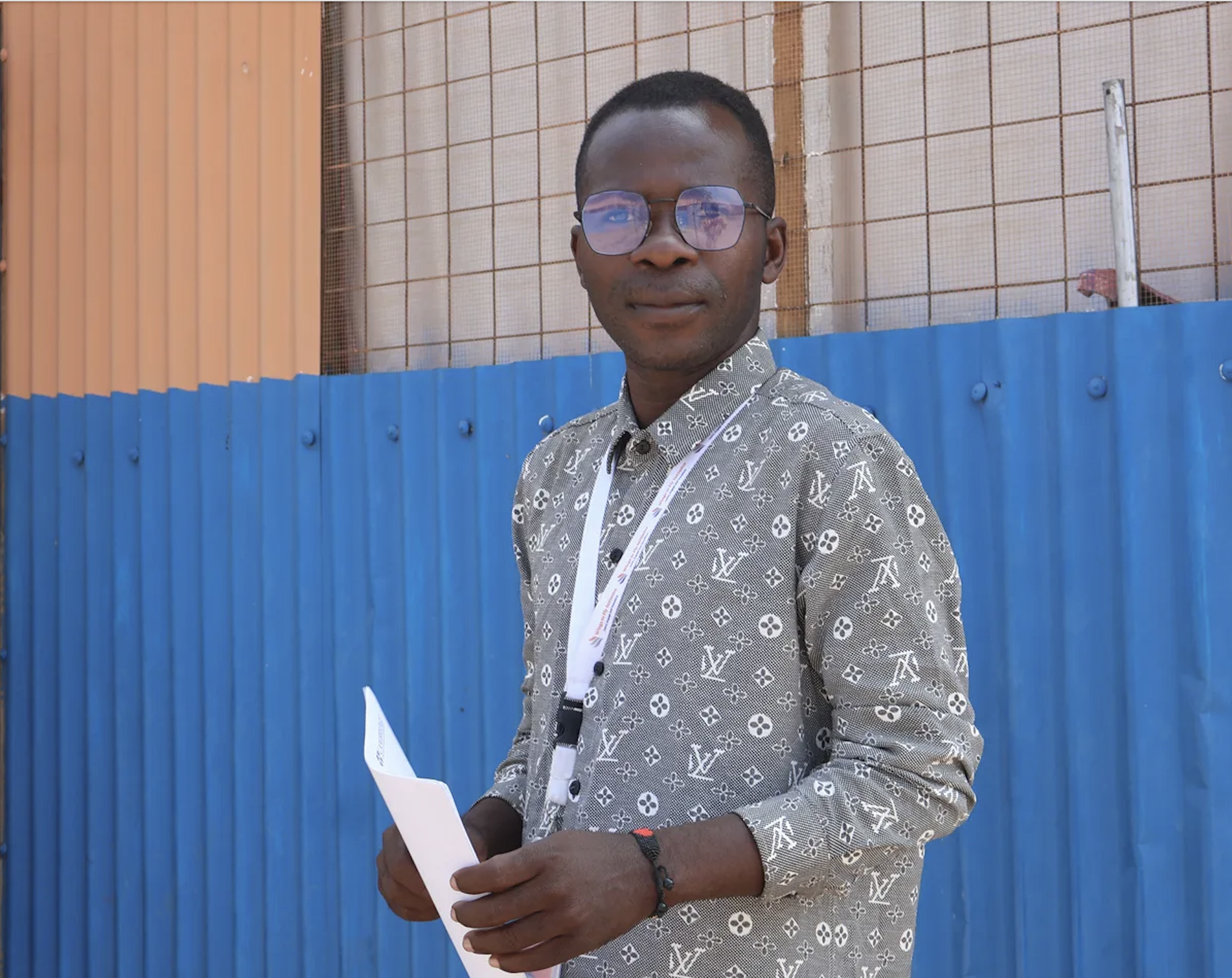
Panique fled conflict and arrived in Kakuma after being separated from his family and loved ones, forced to abandon his college education and traditional village. Language was one of the first barriers he encountered.
“At first it was difficult for me to integrate and communicate in Kakuma,” he said. “We had people from Rwanda, Sudan, South Sudan, Somalia, Ethiopia and many other countries.”
In Kakuma, Panique quickly realised that without a shared language it was harder to resolve misunderstandings, build relationships and even navigate daily life. This echoed findings from the report, in which 90% of learners said learning English increased their confidence to interact with others.
Once enrolled on a GEL course, Panique said the program’s interactive, student centred approach helped him improve his English – and begin to look to the future again.
“I believe English language can help people to heal and recover from past traumatic events,” he said. “By sharing what somebody went through, people can empathise with and support each other. It can have a huge impact on somebody’s life.”
Learners across the programme echoed this sentiment. Feedback from the report indicates that learning English in group settings supported healing and rebuilding, helped to reduce tensions between ethnic and religious groups, and contributed to peaceful coexistence within camps.
Today, Panique is studying for a Bachelor of Arts in General Studies at Saint Louis University via distance learning, alongside his life in Kakuma. He is also an example of the leadership the GEL programme can facilitate, in his role as community volunteer for the Wings to Fly Initiative, a refugee led organisation supporting education within the camp.
The report also highlights the role English education plays in supporting livelihoods. More than seven in ten learners said GEL courses had improved their employment prospects or professional development, with some going on to work with NGOs or in community leadership roles.
“For me, Kakuma represents a place of struggle, with a lot of pressures, but at the same time it is a place of hope.”
The need for education in emergency settings has never been greater. With a sharp rise in the number of people displaced by conflict and instability from around 38 million in 2000 to over 117 million in 2025, communication between displaced people and the communities around them is imperative.
To learn more about the Global English Language programs, and other programs led by the JWL, visit their site at jwl.org.
Related Posts:
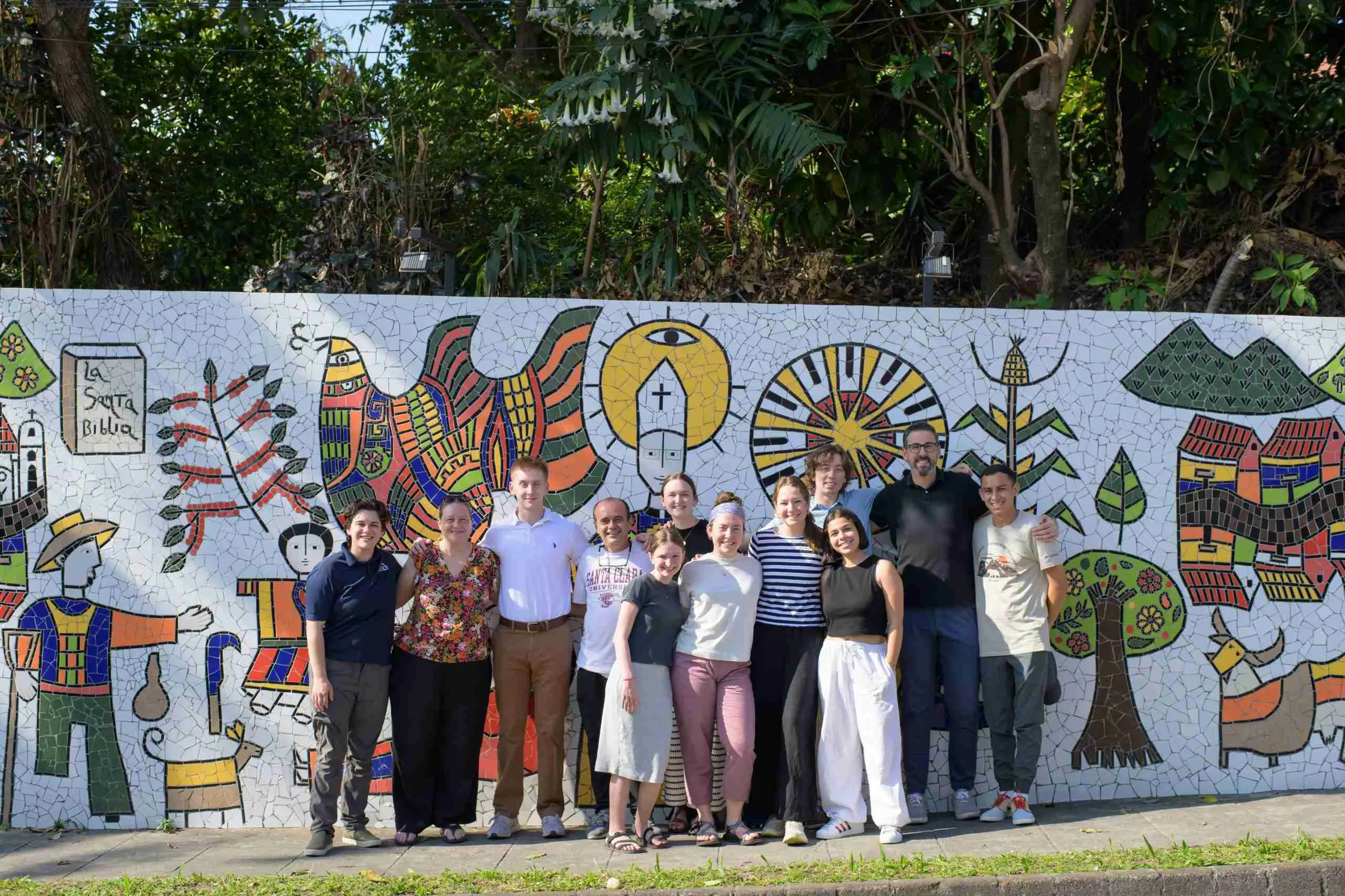
In the past eight years, the MAGIS Exchange program has impacted the lives of people all around the globe. They have operated in six regions worldwide, with a total global network of 42 Jesuit universities. Through this collaboration, the program has trained 207 students on important topics such as the Replicable Global Environmental Citizenship Course (GECC).
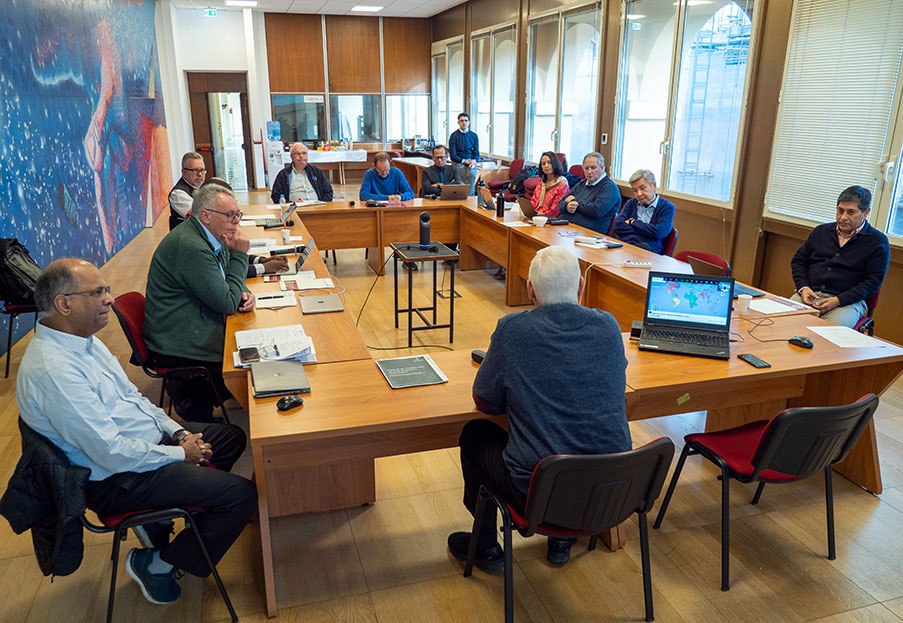
On 30-31 March 2026, the Board of the International Association of Jesuit Universities (IAJU) met at the General Curia in Rome to review the ongoing implementation of the Strategic Agenda (2024-2028) and the priorities defined at the Assembly in Bogotá in July 2025. At that Assembly, leaders from around the world identified six major challenges at the global level: democracy and global citizenship, student mental and spiritual health, secularization, Artificial Intelligence, migration and refugees, and environmental justice, along with a call to concretely increase collaboration among institutions.
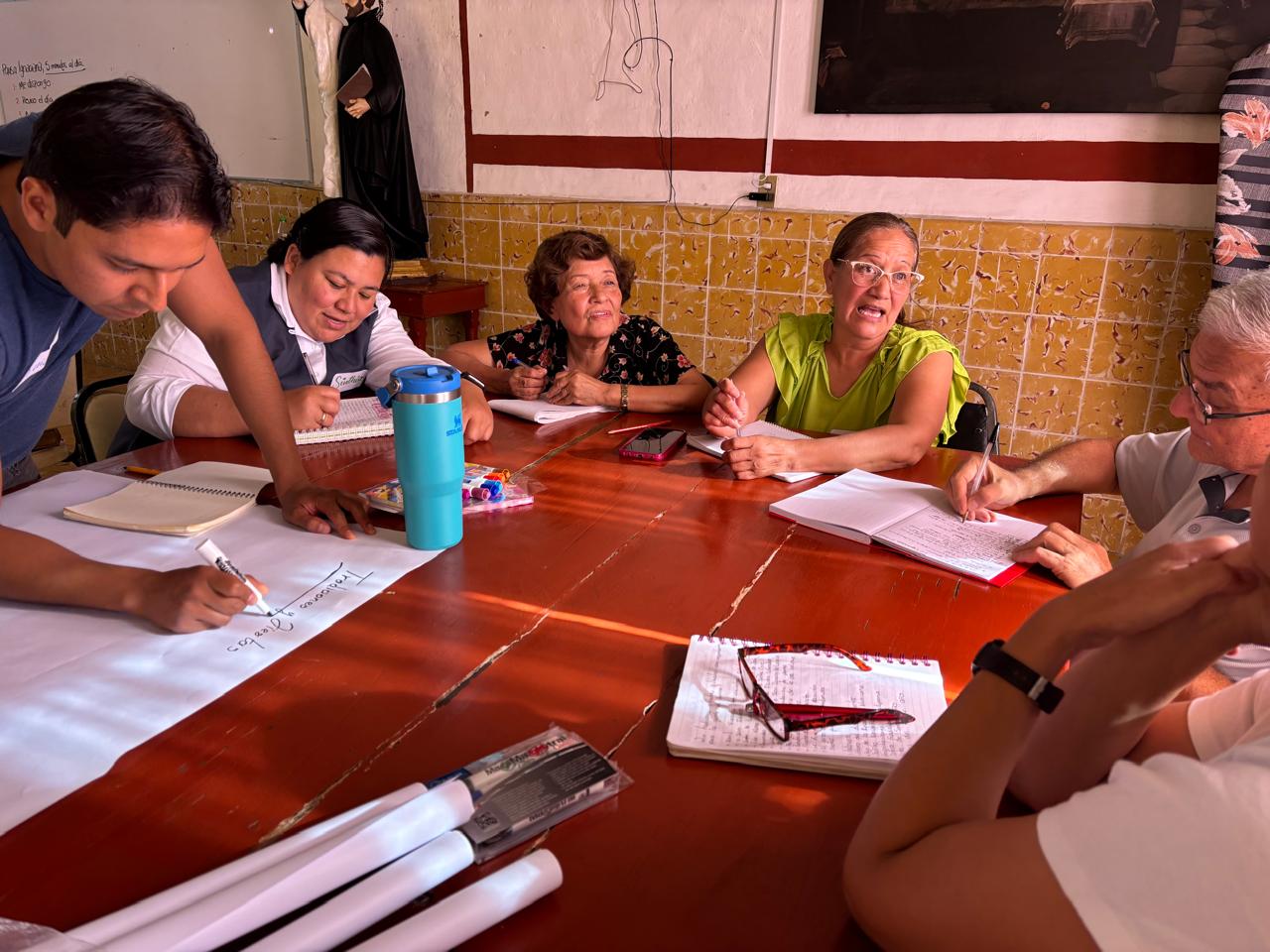
In an effort to promote formative experiences that translate the Ignatian Pedagogical Paradigm (IPP) into concrete practices of learning, service, and discernment, the Universidad Iberoamericana Torréon, through its Ignite Ignatian Pedagogical Clinic, developed the Formation Plan for Catechists of the Parish of Santa María de las Parras.
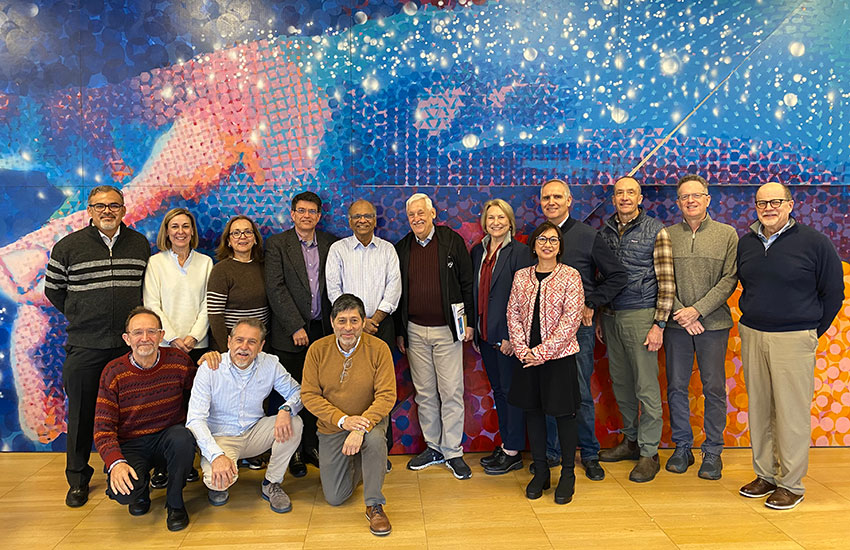
The conveners of ten working groups of the International Association of Jesuit Universities (IAJU) met for the first time in Rome from December 15 to 16 with the aim of fostering collaboration and aligning efforts towards a common vision: Jesuit universities as agents of social transformation in a world that desperately needs it.
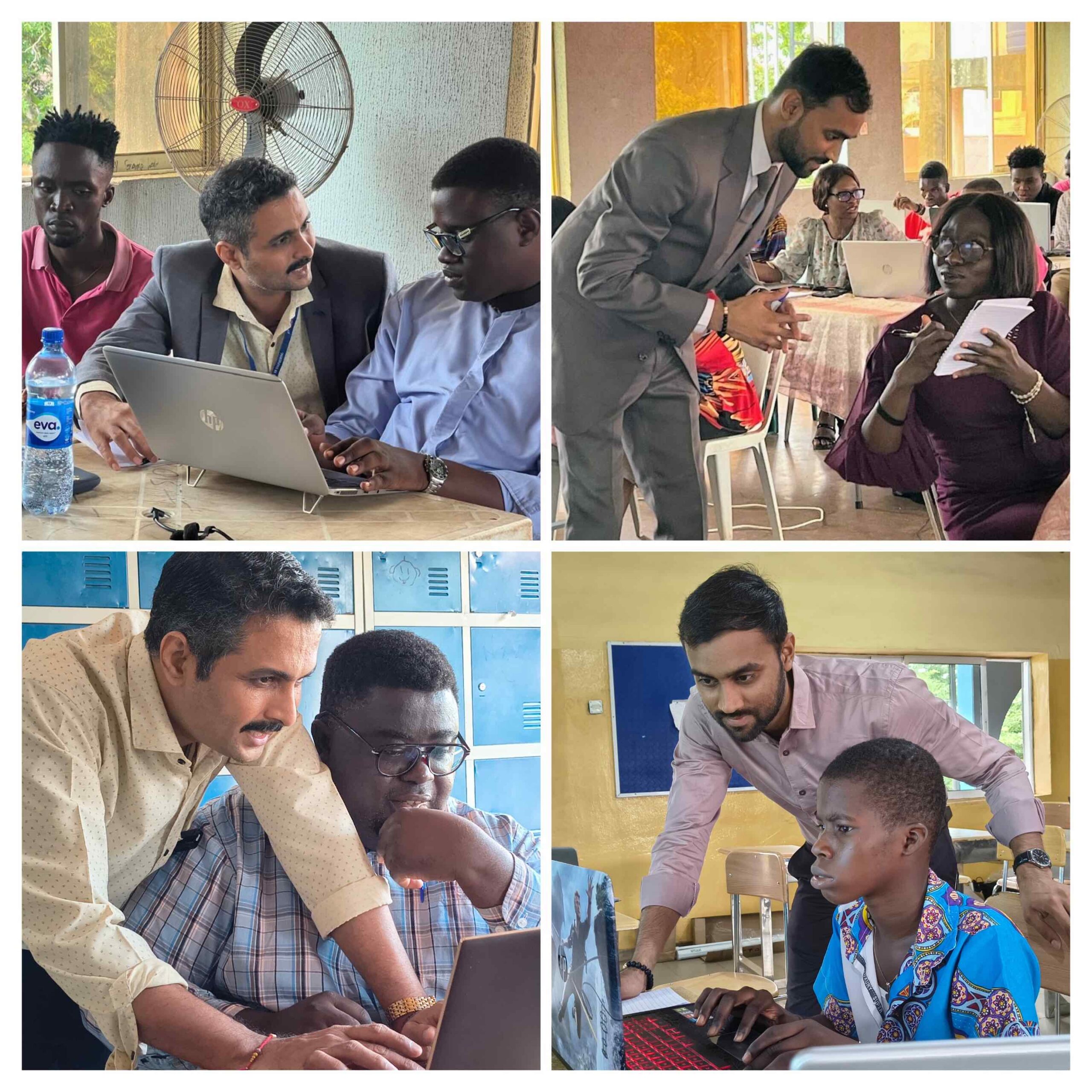
This past August, the Jesuit commitment to the Universal Apostolic Preferences came to life through an inspiring global initiative connecting two continents. The Xavier Institute of Engineering (XIE) in Mumbai, India, and the Xavier Jesuit Institute (XJI) in Ijebu-Ode, Nigeria, joined forces once again to deliver Joy of Python—a program designed to expand educational opportunity and help close the digital divide in the Nigerian cities of Benin City and Lagos.
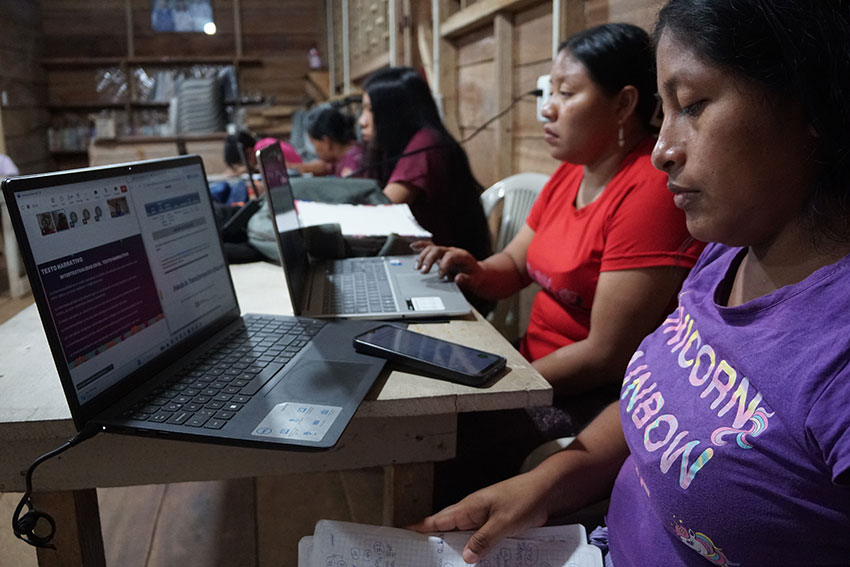
This six-month short-cycle tertiary programme, accredited (in Spanish) by the Pontificia Universidad Javeriana Cali, is designed to address the needs of communities all over the world to promote responsible tourism that allows the generation of income, while preserving the community’s fragile resources.