AUSJAL: New International Course on Socio-Environmental Corruption in Latin America and the Caribbean
On May 27, 2026, the extension course "Environment, Corruption" got underway, an academic initiative that's part of a broader international research project looking at the impacts of socio-environmental corruption across Latin America and the Caribbean. The course is led by AUSJAL together with social centers tied to the Society of Jesus, with the goal of encouraging critical reflection, knowledge-sharing, and stronger community capacity to confront this issue.
It's part of a larger research effort backed by AUSJAL that, working with CPAL's Network of Social Centers, aims to develop concrete strategies for raising public awareness, mobilizing communities, and strengthening citizen participation. The course is meant to be a key training tool for helping communities build resilience and social oversight against the effects of corruption in their territories.
This first phase of the project centers on building a theoretical-analytical framework around four main themes: integral ecology and socio-environmental justice; forced migration; territorial development and land defense; and participatory democracy and ecological citizenship. These themes shape both the course content and the research that will later guide surveys and case studies across the region.
Held virtually over Microsoft Teams, the course runs weekly on Wednesdays from May 27 through June 24, 2026, with each session devoted to one of the four themes, plus an opening lecture and a closing panel.
Registration exceeded expectations, drawing more than 630 sign-ups from across Latin America and the Caribbean, with over 170 people attending the first session live. That opening session included welcoming remarks from the rector of the Catholic University of Pernambuco (UNICAP), the institution certifying the course through its Instituto Humanitas and the Laudato Si' Chair. Participants range from social center leaders and academics to students and members of civil society.
The course also plays a strategic role in testing the project's research hypotheses. A second phase will roll out a survey-style instrument for Jesuit social centers across the region, gauging how socio-environmental corruption affects their work, followed by case studies aimed at building participatory mechanisms for prevention and monitoring.
The initiative reflects AUSJAL and CPAL's strategic priorities around socio-environmental justice, sustainable development, and land defense, and ties into the broader call to care for our common home promoted by the Church during the Season of Creation, with an eye toward building an ecologically engaged citizenry.
Through this effort, the organizing institutions reaffirm their commitment to producing applied knowledge and building collective responses to the region's socio-environmental challenges — positioning the course as a space connecting academia, civil society, and communities in defense of life, land, and justice.
Related Posts:
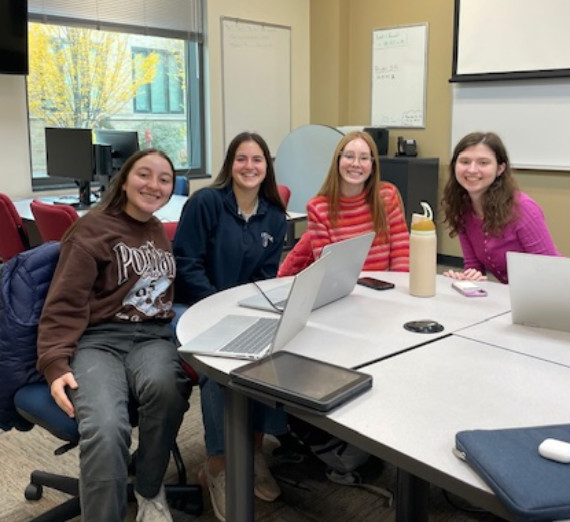
On May 4, 2026, Jesuit universities in Latin America and the United States celebrated the development of a web platform that optimizes the process of connecting classrooms globally. This project eliminates a long-standing barrier to connection and allows efficient transcontinental collaboration.
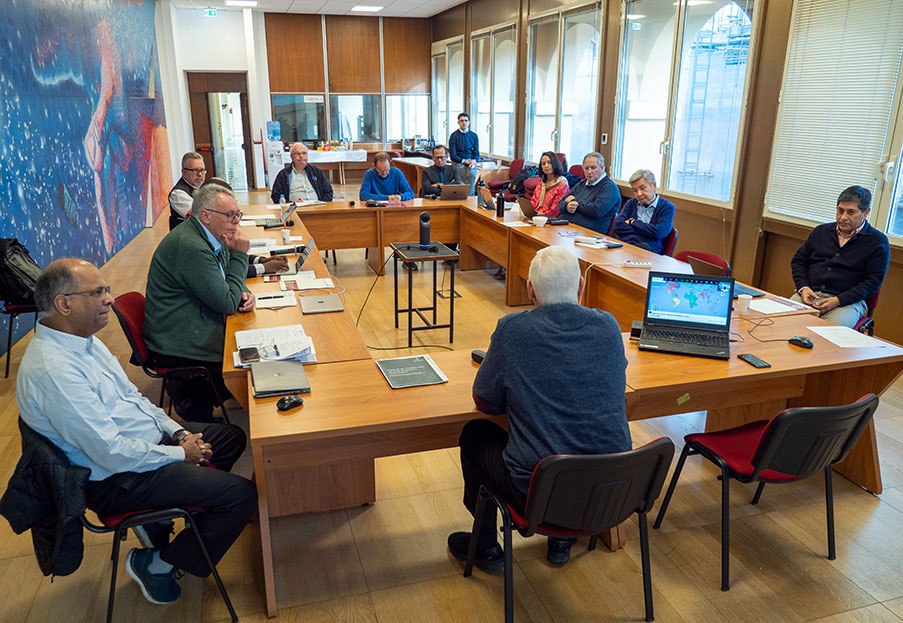
On 30-31 March 2026, the Board of the International Association of Jesuit Universities (IAJU) met at the General Curia in Rome to review the ongoing implementation of the Strategic Agenda (2024-2028) and the priorities defined at the Assembly in Bogotá in July 2025. At that Assembly, leaders from around the world identified six major challenges at the global level: democracy and global citizenship, student mental and spiritual health, secularization, Artificial Intelligence, migration and refugees, and environmental justice, along with a call to concretely increase collaboration among institutions.
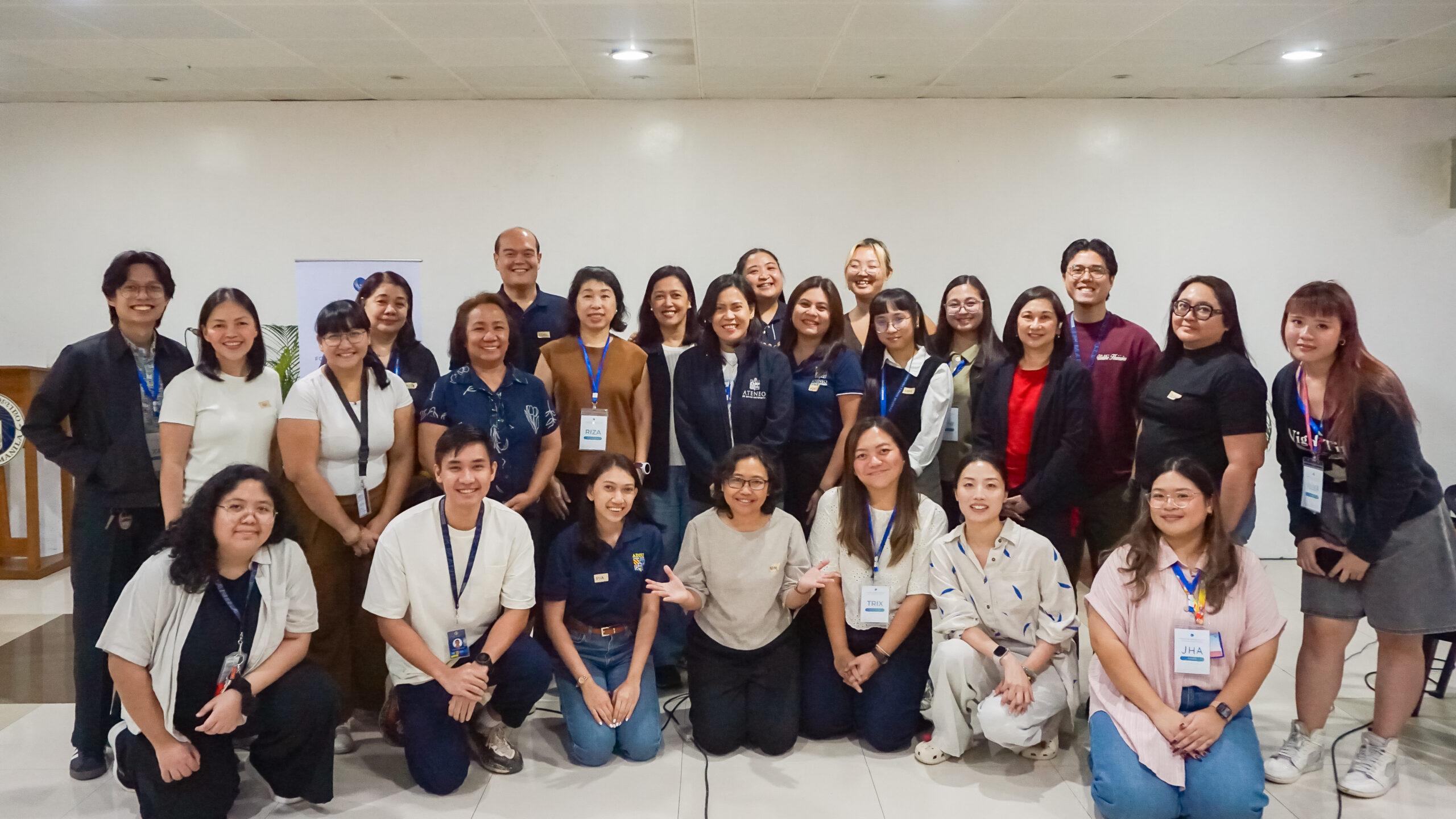
Scholars, researchers, and academic leaders from Jesuit universities around the world gathered from 9 to 12 March 2026 at the Ateneo de Manila University for the Inaugural Symposium of the Global Research Alliance of Jesuit Universities (GRAJU), marking a major milestone in global collaboration among Jesuit institutions of higher education.
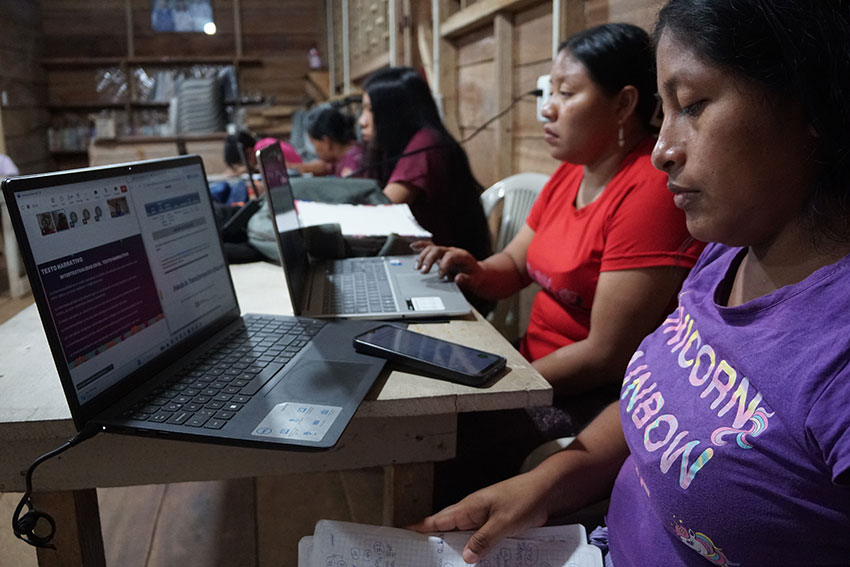
This six-month short-cycle tertiary programme, accredited (in Spanish) by the Pontificia Universidad Javeriana Cali, is designed to address the needs of communities all over the world to promote responsible tourism that allows the generation of income, while preserving the community’s fragile resources.

Jesuit university leaders from across the globe to gather in Bogotá to discern the future of Jesuit higher education in response to the world’s greatest challenges

A year ago, two very close universities, Pontificia Universidad Javeriana, Bogotá, and Universidad Loyola, España, accepted a stimulating challenge to compare the best practices of their partnerships’ offices. Later, a more interesting approach got the best of us and we decided that we should also ask other partners to share their best practices with us. Thus, we contacted 25 universities and gathered the answers of 15 of them. Indeed, this is by no means an exhaustive analysis, however, this exercise was very insightful and most definitely strengthened our relationship between us and with them. Let us share with you the data and our conclusions.