IQS: A Sustainable Innovation Hub for Industry 5.0
On June 4th, IQS inaugurated INNOHUB IQS, a strategic project that puts the institution and the city of Barcelona on the map of European excellence in Industry 5.0. The event, held in the center's auditorium before nearly 300 attendees, brought together the Honorable Albert Dalmau Miranda, Minister of the Presidency of the Generalitat of Catalonia; Dr. Vicenç Pedret, President of the IQS Board of Trustees; Dr. Salvador Borrós, Director General of IQS; Kathy Looman, Executive Director of the Gene Haas Foundation; Dr. Carles Pérez Testor, Rector of Ramon Llull University; and Fr. Pau Vidal, SJ, delegate of the Jesuits of Catalonia, who blessed the facilities.
An Industry 5.0 in the Service of Society
"Our mission and vision remain unchanged: we want to keep driving growth while always putting people at the center. In this age of artificial intelligence, our commitment to Industry 5.0 means fostering a dialogue between human and artificial intelligence to better understand how people interact with machines," said Dr. Salvador Borrós in his remarks. Beyond emphasizing the institution's commitment to progress, IQS's Director General highlighted the technical capabilities of the new space. "We've built into INNOHUB a capability that's especially valuable for many companies in our country: a manufacturing center that brings advanced additive manufacturing and traditional production methods together under one roof," he noted.
Fr. Pau Vidal, SJ, delegate of the Jesuits of Catalonia, spoke to the humanistic and social dimension of research, reminding attendees that "technology must be oriented toward the good of society, in areas such as health, care for people, and environmental sustainability." He stressed that innovation only carries real meaning when it contributes to just transformation and to human and spiritual growth, reflecting the work the Jesuit university sector in Spain carries out in line with the Universal Apostolic Preferences.
Minister Albert Dalmau, for his part, underscored the importance of purposeful innovation. "Technology without purpose doesn't add up to much. I believe these facilities bring both together: technology and purpose," he said, going on to highlight the "essential partnership between the private sector and educational institutions" needed to drive the country's economy forward.
Dr. Carles Pérez Testor, Rector of Ramon Llull University, echoed this sentiment, emphasizing the value of university-industry collaboration. "INNOHUB is the result of this partnership between business and academia. Without it, major projects like the ones taking shape here would be very difficult to pull off." Following the speeches, attendees took a guided tour of the new facilities, getting a firsthand look at the labs and state-of-the-art equipment.
2,000 Square Meters of Technology for Cutting-Edge Research
INNOHUB IQS is designed to attract and retain talent, giving more than 45 permanent staff—along with the entire student and research community—the resources to tackle real-world climate and industrial challenges. The new facility spans three floors built for multidisciplinary research and collaboration between research groups and companies:
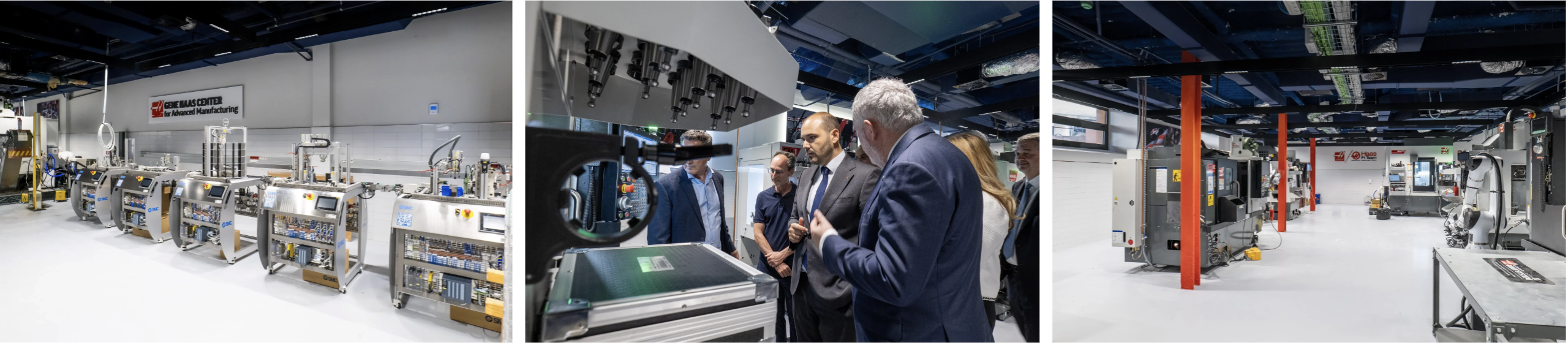
Lower level (Industry 5.0 and advanced manufacturing). At over 400 m², this floor reflects the European vision of a circular, regenerative economy. It houses five key labs: the Manufacturing Lab (Workshop 5.0), the AddiTech Fablab (additive manufacturing), the Co-creation Lab (prototyping and entrepreneurship), the Smart Factory Lab (AI applied to production), and the Cognitive Machine Lab, dedicated to human-machine interaction and digital twins.
Ground floor (Chemical Engineering Pilot Plant). Spanning 767 m², this floor is equipped to run semi-industrial-scale manufacturing processes in both batch and continuous (flow chemistry) modes—an area where IQS is a national leader.
First floor (Sustainable Technologies and Nanotechnology). This floor includes the Center for Sustainable Technologies (525 m²), focused on circular economy and CO₂ capture, as well as the Laboratory of Pharmaceutical Engineering and Advanced Therapies (125 m²), dedicated to research in regenerative medicine and cancer treatment.
The building is topped with solar panels that supply renewable energy for energy-efficiency projects, and the center as a whole is outfitted with state-of-the-art instrumentation to meet industry's most pressing challenges.
A Strategic Partnership for Technological Excellence
INNOHUB IQS's success rests on close collaboration between the university and the business community. A standout partner is Haas, a world leader in manufacturing technology, which operates its own dedicated lab within the facility—a partnership that reinforces the hub's vision as a genuine Smart Factory built around advanced manufacturing and human-machine interaction.
"We believe it's essential for technology to keep advancing, and the only way that happens is if universities have access to modern equipment, so students can learn with cutting-edge tools and go on to launch their own businesses quickly," said Kathy Looman, Executive Director of the Gene Haas Foundation, at the opening.
Alongside Haas, the project has drawn support from several leading companies within the IQS Business Foundation, who have joined this innovation ecosystem: AC MARCA, Carburos Metálicos (Air Products Group), Ernesto Ventós SA, LETI Pharma, LLEAL, Molins, Roca Sanitario, and WERFEN.
The celebration closed with an official cocktail reception, where speeches also marked the 25th anniversary of the Industrial Engineering program at IQS. A Jesuit university with roots dating back to the early 20th century, IQS is closing one chapter of educational excellence and opening a new one centered on sustainable reindustrialization, the advancement of Industry 5.0, and the transfer of cutting-edge technology. This new beginning is closely tied to the aims of Jesuit education, as expressed by Peter-Hans Kolvenbach at IQS in 2006:
"…the university mission of the Chemical Institute of Sarriá, in planning its work, is marked by 'seriousness, rigor, and professionalism' so as to be 'productive for society,' becoming a 'source of personal fulfillment' as a 'service of faith' that touches each person's testimonial task through their life and their words."
Related Posts:
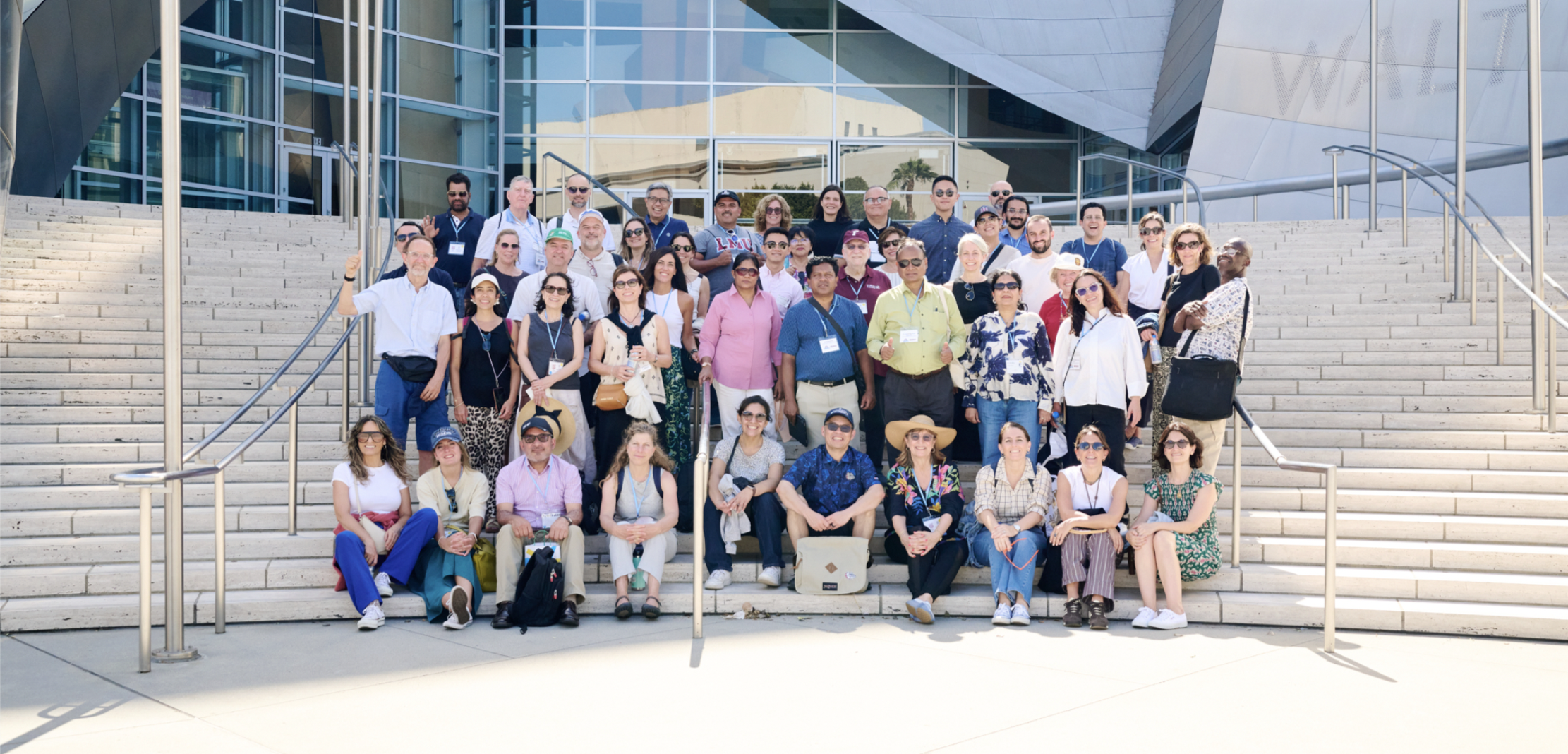
On 30-31 March 2026, the Board of the International Association of Jesuit Universities (IAJU) met at the General Curia in Rome to review the ongoing implementation of the Strategic Agenda (2024-2028) and the priorities defined at the Assembly in Bogotá in July 2025. At that Assembly, leaders from around the world identified six major challenges at the global level: democracy and global citizenship, student mental and spiritual health, secularization, Artificial Intelligence, migration and refugees, and environmental justice, along with a call to concretely increase collaboration among institutions.

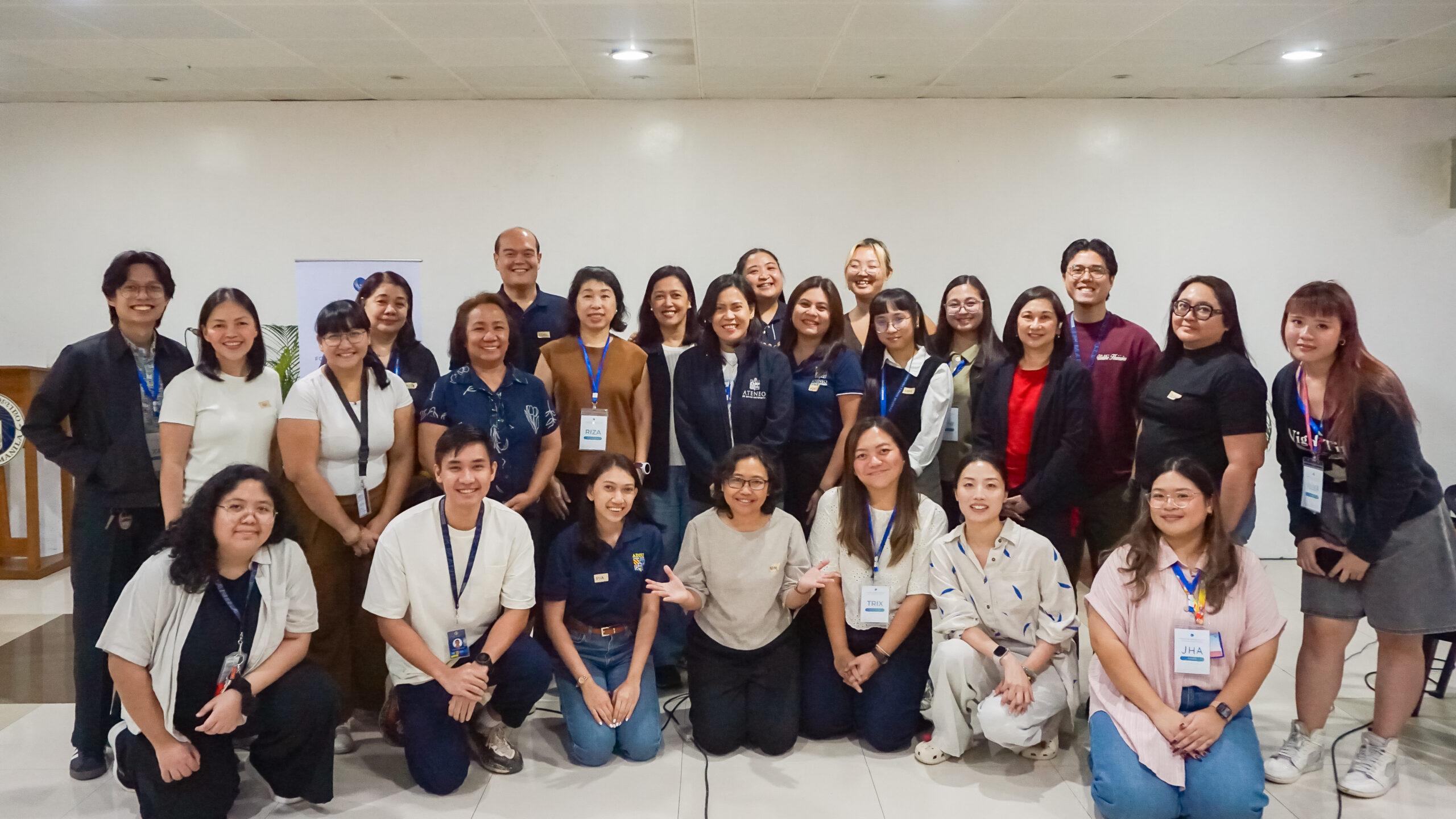
Scholars, researchers, and academic leaders from Jesuit universities around the world gathered from 9 to 12 March 2026 at the Ateneo de Manila University for the Inaugural Symposium of the Global Research Alliance of Jesuit Universities (GRAJU), marking a major milestone in global collaboration among Jesuit institutions of higher education.

Jesuit university leaders from across the globe to gather in Bogotá to discern the future of Jesuit higher education in response to the world’s greatest challenges

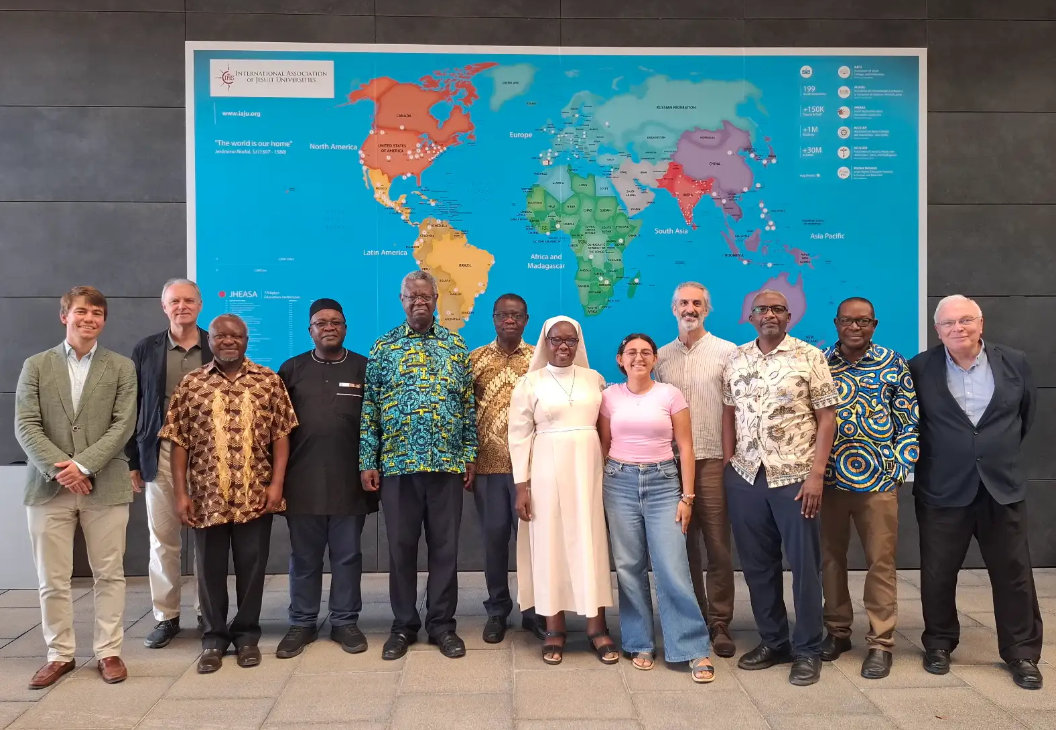
Loyola University hosted a working session at its Seville campus with rectors and senior leaders from the institutions of the Association of Jesuit Colleges and Universities in Africa and Madagascar (AJCU-AM). These sessions built on prior meetings held throughout 2024 in the Democratic Republic ofthe Congo, Burkina Faso, Kenya, and Zimbabwe, which gradually shaped a group of institutions aroundan initial proposal of collaboration. The program provided a space to exchange ideas about the structure of the group,identify priority areas for collaboration, and explore funding opportunities for joint international projects.

A year ago, two very close universities, Pontificia Universidad Javeriana, Bogotá, and Universidad Loyola, España, accepted a stimulating challenge to compare the best practices of their partnerships’ offices. Later, a more interesting approach got the best of us and we decided that we should also ask other partners to share their best practices with us. Thus, we contacted 25 universities and gathered the answers of 15 of them. Indeed, this is by no means an exhaustive analysis, however, this exercise was very insightful and most definitely strengthened our relationship between us and with them. Let us share with you the data and our conclusions.
In July, Universidad Loyola Andalucía's Faculty of Theology, in collaboration with the Kircher Network, organized a study week on Christian-Muslim relations in Granada. Personal reflections from participants and professor Jaime Flaquer, SJ, highlighted how the week deepened their understanding of history, enriched their appreciation for religious diversity, and fostered meaningful intercultural exchange.