
Colombia as a Living Classroom for Democratic Resilience: Advancing the IAJU Mission
In March 2026, the Pontificia Universidad Javeriana in Bogotá hosted a distinguished delegation from the Clough Center for the Study of Constitutional Democracy at Boston College for an immersive academic experience on democratic resilience. More than a study visit, this initiative represents a concrete expression of the mission of the International Association of Jesuit Universities (IAJU): to mobilize Jesuit higher education as a global force for justice, dialogue, and the strengthening of democratic societies.
The course emerged from a shared vision between Jonathan Laurence, Professor of Political Science at Boston College and Director of the Clough Center, and Giovanni Calvano, Director of International Affairs at Pontificia Universidad Javeriana. Their collaboration reflects the capacity of Jesuit institutions to co-create meaningful academic initiatives that respond to global challenges through partnership and innovation.

Boston College, through the Clough Center, has positioned itself as a leading voice in the global conversation on democracy. Its 2025–2026 thematic focus on “Democratic Resilience” provided the intellectual framework for this initiative, bringing together faculty, doctoral researchers, and students committed to understanding how democratic systems can adapt and endure in times of crisis.
The visit to Colombia exemplifies Boston College’s commitment to experiential, globally engaged learning. By situating academic inquiry within real-world contexts, the Clough Center fosters a deeper, practice-oriented understanding of democracy—one that integrates theory with lived experience.
This initiative aligns closely with the priorities of the IAJU Task Force on Democracy and Human Rights, which calls on Jesuit universities to actively contribute to the defense and renewal of democratic institutions worldwide. In a context marked by polarization and democratic fragility, Jesuit higher education is uniquely positioned to bridge knowledge, ethics, and societal transformation.
Through collaborations such as this, IAJU institutions are advancing a model of internationalization that goes beyond mobility, emphasizing co-creation of knowledge, shared responsibility, and tangible societal impact.
Framed as “Colombia as a classroom for democratic resilience,” the program offered participants a unique opportunity to engage directly with the country’s ongoing processes of peacebuilding, transitional justice, and institutional reform, nearly a decade after the 2016 peace agreement.
Hosted by Pontificia Universidad Javeriana, the program combined academic seminars with high-level dialogues involving policymakers, former national leaders, members of the Truth Commission, victims of the armed conflict, and individuals engaged in reconciliation processes. These encounters transformed the academic experience into a deeply human engagement with the challenges and possibilities of democracy.
Colombia’s experience, while rooted in a specific context, offers globally relevant insights into how societies can confront violence, rebuild trust, and strengthen democratic institutions over time.
The partnership between Boston College and Pontificia Universidad Javeriana demonstrates the power of Jesuit collaboration to generate meaningful academic and societal impact. By integrating research, teaching, and engagement with real-world actors, this initiative embodies a transformative approach to internationalization aligned with the core values of the Jesuit educational tradition.
It also highlights the strategic role of universities as conveners of dialogue, capable of bringing together diverse perspectives in the pursuit of reconciliation and democratic renewal.
As democratic systems worldwide face increasing pressures, initiatives like this underscore the responsibility of Jesuit universities to act collectively and decisively. The IAJU provides a unique platform to scale such efforts, connecting institutions across regions and fostering a shared commitment to the common good.
Colombia’s experience reminds us that democracy is not a finished achievement but an ongoing process requiring resilience, dialogue, and ethical leadership. Through continued collaboration, institutions such as Boston College and Pontificia Universidad Javeriana are not only studying democracy—they are actively contributing to its future.
Related Posts:
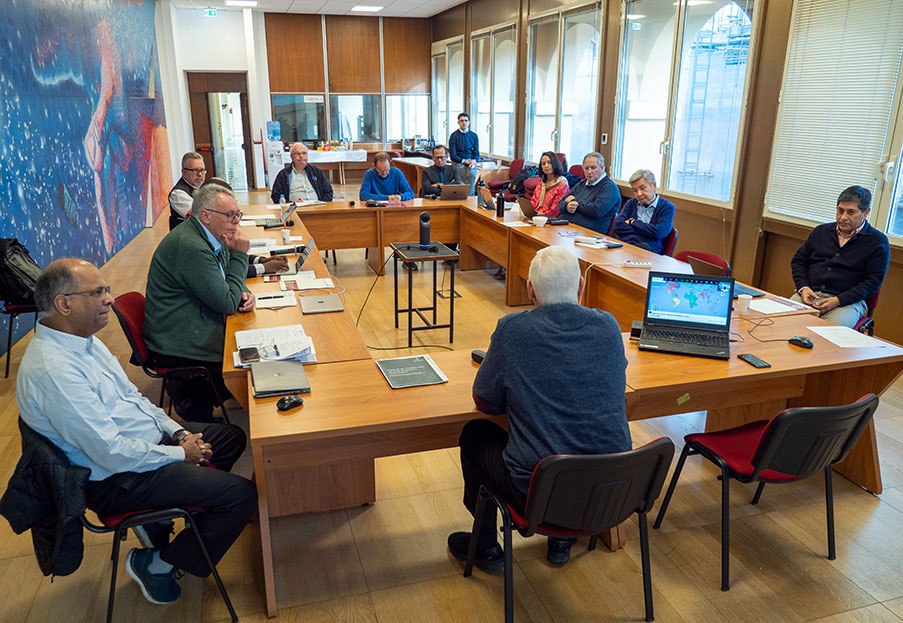
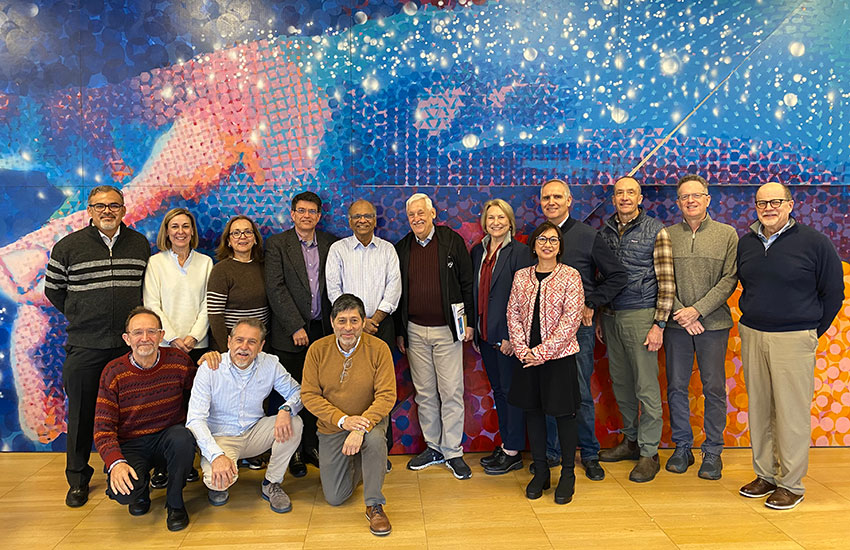
The conveners of ten working groups of the International Association of Jesuit Universities (IAJU) met for the first time in Rome from December 15 to 16 with the aim of fostering collaboration and aligning efforts towards a common vision: Jesuit universities as agents of social transformation in a world that desperately needs it.
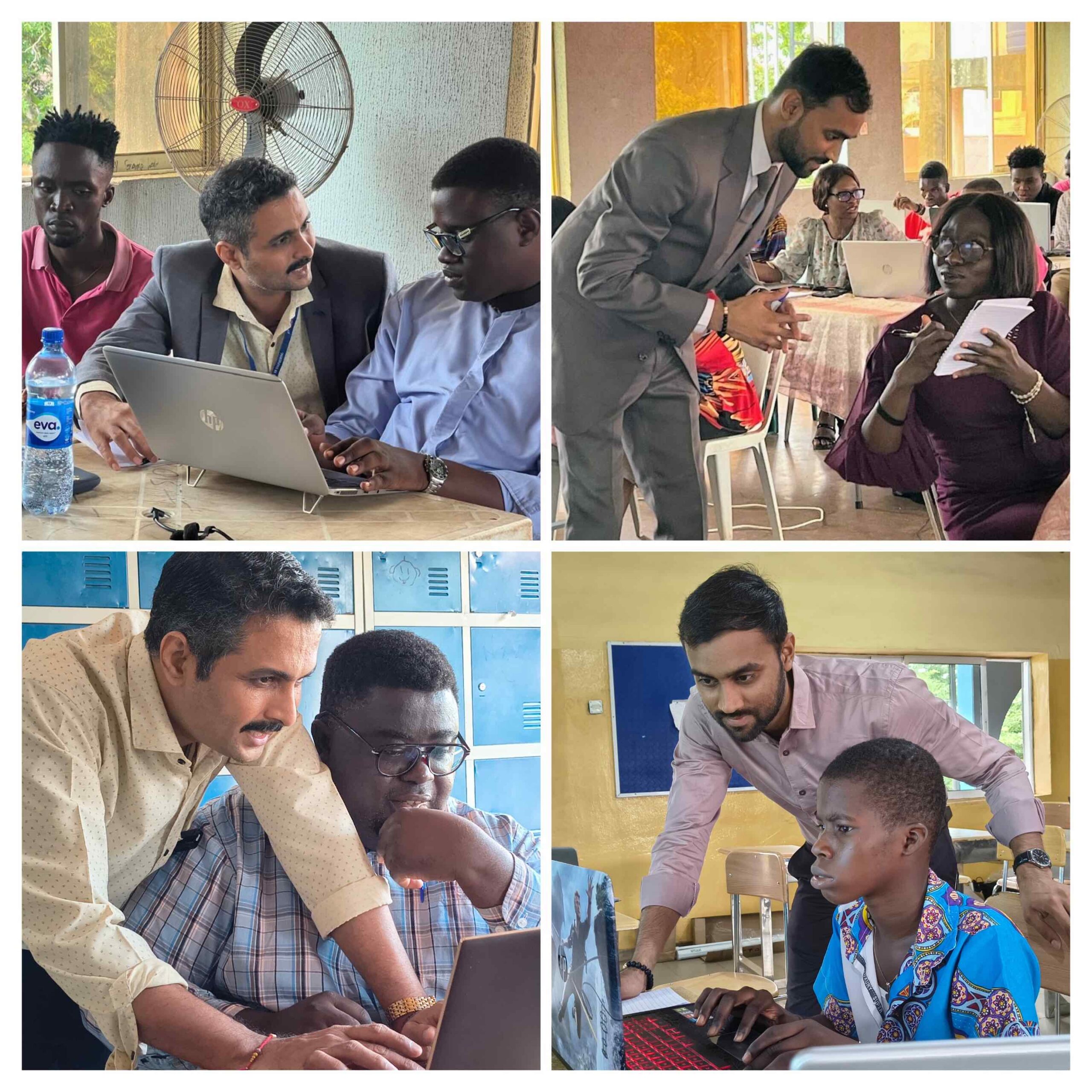
This past August, the Jesuit commitment to the Universal Apostolic Preferences came to life through an inspiring global initiative connecting two continents. The Xavier Institute of Engineering (XIE) in Mumbai, India, and the Xavier Jesuit Institute (XJI) in Ijebu-Ode, Nigeria, joined forces once again to deliver Joy of Python—a program designed to expand educational opportunity and help close the digital divide in the Nigerian cities of Benin City and Lagos.
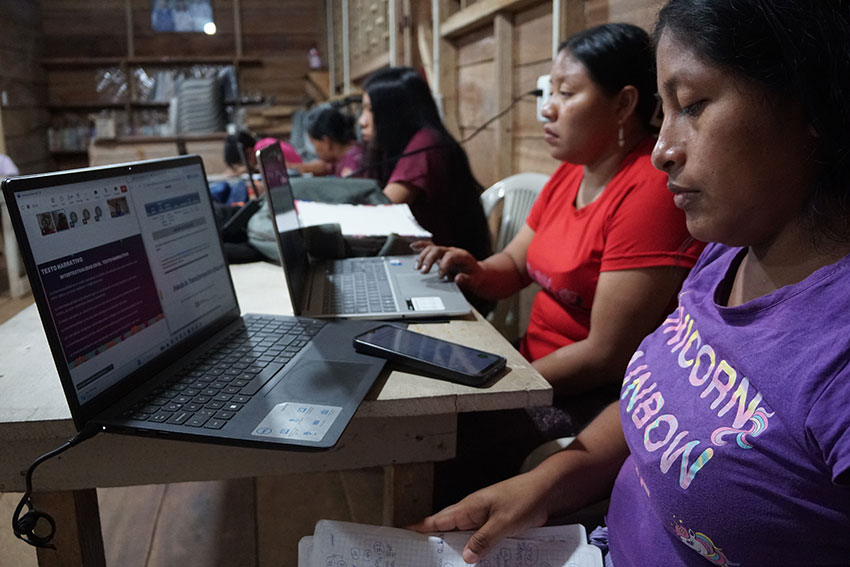
This six-month short-cycle tertiary programme, accredited (in Spanish) by the Pontificia Universidad Javeriana Cali, is designed to address the needs of communities all over the world to promote responsible tourism that allows the generation of income, while preserving the community’s fragile resources.