
Jesuit Universities: Advancing a Shared Mission of Social Transformation
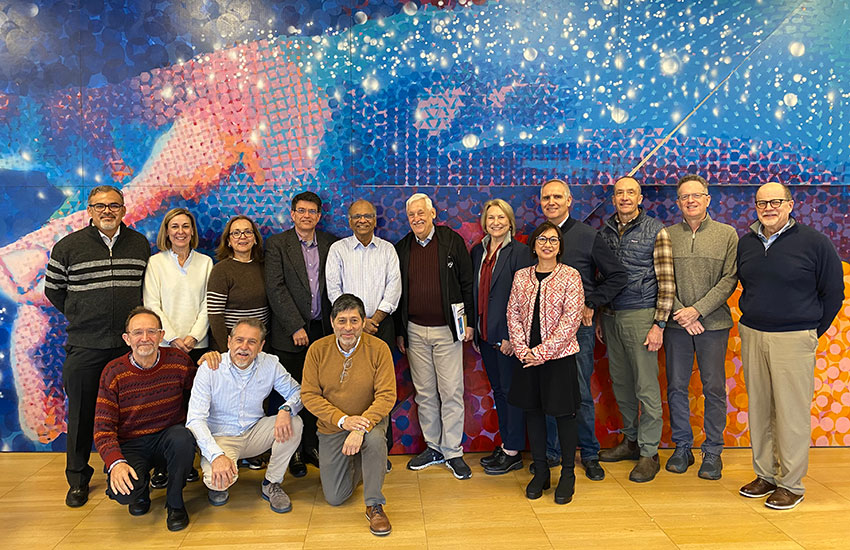
The conveners of ten working groups of the International Association of Jesuit Universities (IAJU) met for the first time in Rome from December 15 to 16 with the aim of fostering collaboration and aligning efforts towards a common vision: Jesuit universities as agents of social transformation in a world that desperately needs it.
“This meeting represents the heart of what Jesuit higher education can be”, said Fr Joseph Christie, SJ, Secretary for Higher Education. “When universities from Manila to Boston, from Nairobi to Bogotá work together on shared challenges, we multiply our impact exponentially. We are not just networking – we are strengthening the Jesuit commitment to social transformation.”
The meeting focused on the objectives of the ten working groups, each addressing critical contemporary challenges: Global Citizenship, Democracy Promotion, Environmental Justice and Ecology, Peace and Reconciliation, Interreligious Dialogue, Leadership Formation, Inspirational Paradigm for Business Education, Higher Education for the Excluded, Artificial Intelligence, and Holistic Well-Being. There was time to share, review the progress and plan future steps.

Learning from Mutual Experience
Throughout the first day, the conveners of the working groups shared their achievements, hopes, concerns and challenges. Each presentation followed a transparent format: current goals, programs implemented over the past three years, honest assessment of impact, membership composition, and challenges faced.
“What struck me most was the openness to share the fragility of the projects”, reflected one participant. “We weren’t just celebrating successes. We were naming what isn’t working, where we’re stuck, where we need help from others.”
The afternoon saw participants divided into three mixed groups – intentionally bringing together conveners from different working groups to pollinate ideas. A convener working on Environmental Justice found herself discussing implementation strategies with colleagues focused on Democracy and Artificial Intelligence. A specialist in Interfaith Dialogue shared knowledge with those working in Student Well-being and Business Education.
“This cross-fertilization is where the magic happens”, noted Fr Fernando Ponce, SJ, who moderated the afternoon session. “The challenges we face in promoting democracy have growing connections to the challenges that artificial intelligence presents. One cannot speak of leadership of institutions without thinking about dialogue in interreligious and secular contexts.”

Meeting with Father General
The morning session included a significant moment: an interaction with Father General Arturo Sosa, SJ. Fr Sosa emphasized the strategic importance of these working groups for the Jesuit global mission. “In the recent Bogotá Assembly, we all experience a leap forward in the strength of the Jesuit higher education network”, he mentioned.
“Universities are not just places where we preserve knowledge”, Fr Sosa told the group. “They are laboratories of social transformation. The collaboration that is happening in this room – across continents, across disciplines – is exactly what the world needs from Jesuit education today.”
Planning for the Future
The second day went from evaluation to action. The participants entered into individual reflection. Each convener considered fundamental questions: What changes might their working group need? Which activities would best achieve their goals in the next three years? How should governance and membership evolve?
The plenary sharing that followed revealed both convergence and healthy diversity. While each working group has its unique focus, common themes emerged: the need for greater and more diverse faculty and student engagement, more systematic ways to measure impact, strategies to make work sustainable rather than dependent on individual champions, and ways to better connect with the IAJU Board and Regional Associations’ own channels. In addition, new ideas for collaboration between the working groups emerged, which will continue beyond the meeting in Rome.
Dr Regina Alampay, who leads the Holistic Wellbeing working group force, captured the spirit: “We realized that we don’t have to reinvent the wheel in isolation. The Peace and Reconciliation team has developed tools that we can adapt. The Democracy working group has engagement strategies that we can learn from. We are stronger together.”
Concrete Commitments for Collaboration
The meeting concluded with specific commitments. The working groups identified areas for concrete collaboration – for example, co-investigating how best to share the resources that are produced with the wider university community, or refining the different formation plans that many of the groups have with the perspectives of others.
Participants also agreed to contribute regularly to the IAJU website and newsletter, ensuring that the innovations and resources of one institution or group are quickly made available to all. And, most importantly, they are committed to stay connected with online meetings to maintain momentum between face-to-face meetings.
“What we are building here goes beyond individual projects”, Fr Christie said in his closing remarks. “We are creating an ecosystem where Jesuit universities learn and walk together.”
A Network for Impact
The group celebrated the Eucharist in the Rooms of St Ignatius. From there, each participant returns home carrying with them not only documents and action plans, but a renewed conviction that Jesuit universities, working together, can indeed be instruments of social transformation on a scale that corresponds to the magnitude of the challenges facing our world.
For more information about IAJU working groups and how to participate in their work, visit the IAJU website or contact your institution’s representative.

Related Posts:
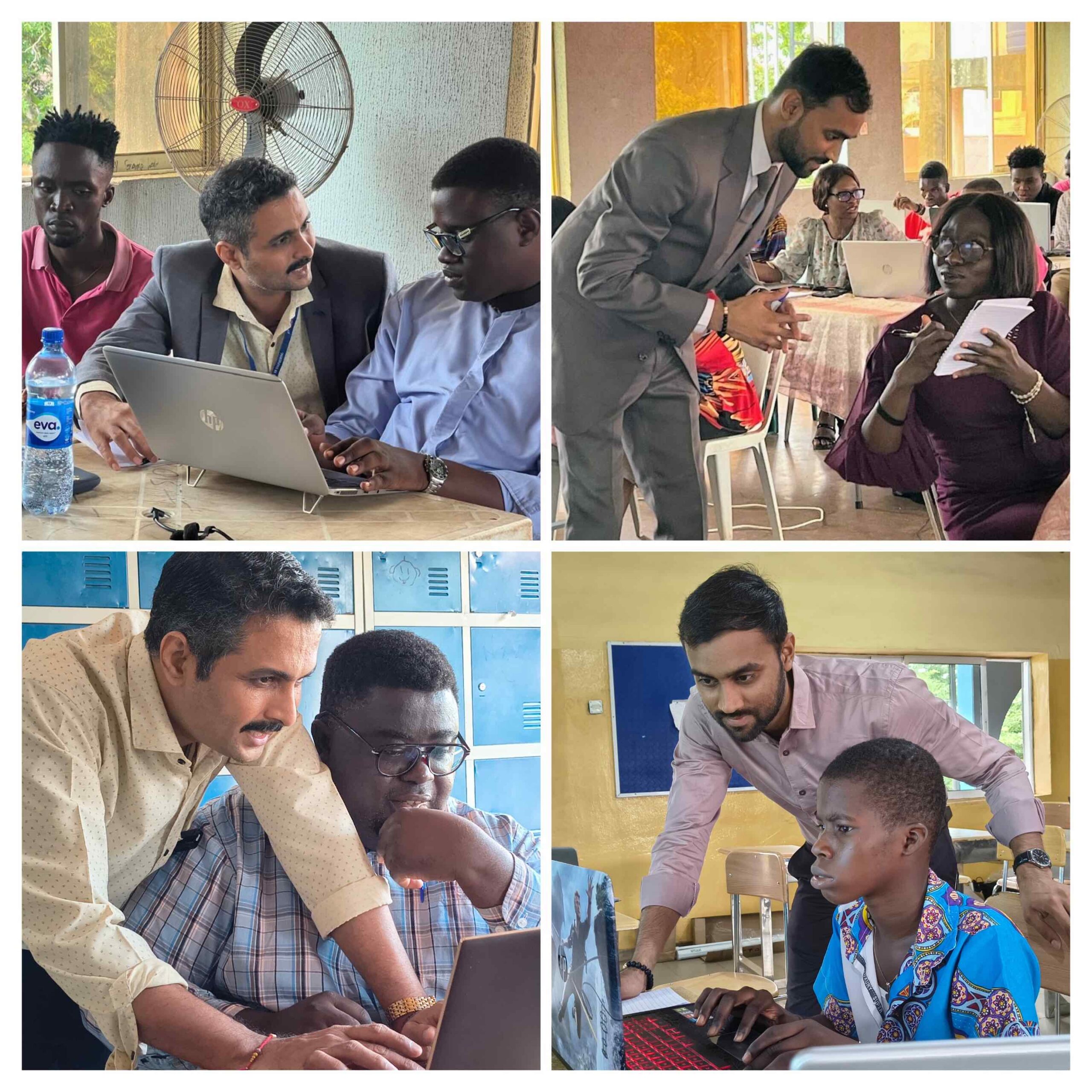
This past August, the Jesuit commitment to the Universal Apostolic Preferences came to life through an inspiring global initiative connecting two continents. The Xavier Institute of Engineering (XIE) in Mumbai, India, and the Xavier Jesuit Institute (XJI) in Ijebu-Ode, Nigeria, joined forces once again to deliver Joy of Python—a program designed to expand educational opportunity and help close the digital divide in the Nigerian cities of Benin City and Lagos.
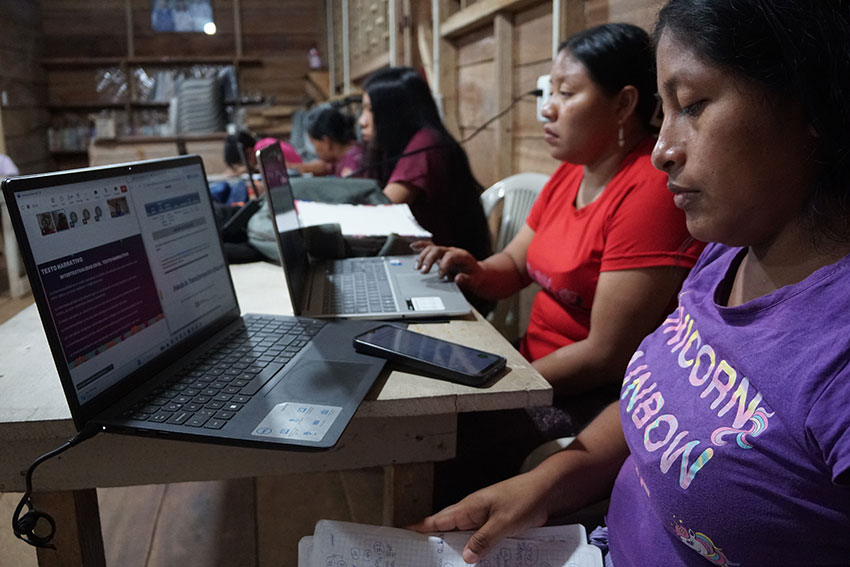
This six-month short-cycle tertiary programme, accredited (in Spanish) by the Pontificia Universidad Javeriana Cali, is designed to address the needs of communities all over the world to promote responsible tourism that allows the generation of income, while preserving the community’s fragile resources.

A New Research Chapter Begins: Launch of the Global Research Alliance of Jesuit Universities (GRAJU)
In August 2025, seven Jesuit universities came together to launch a landmark initiative: the Global Research Alliance of Jesuit Universities (GRAJU). Founded by Ateneo de Manila University (Philippines), Fordham University (USA), Georgetown University (USA), ITESO (Mexico), Sogang University (South Korea), the University of Deusto (Spain), and Namur University (Belgium), GRAJU marks a bold step toward deepening global research collaboration within the Jesuit higher education network.

In a world still marked by inequality, environmental degradation, and social fragmentation, the Inspirational Paradigm (IP) for Jesuit Business Education stands as a bold and hopeful response.

From February 26 to 28, 2025, the International Association of Jesuit Universities (IAJU) International Education Conference was held at Sophia University Yotsuya campus. The theme of the conference was “Challenges and Opportunities for Internationalization,” and the conference brought together approximately 80 faculty and staff members in charge of international education from 44 institutions around the world.

Loyola University hosted a working session at its Seville campus with rectors and senior leaders from the institutions of the Association of Jesuit Colleges and Universities in Africa and Madagascar (AJCU-AM). These sessions built on prior meetings held throughout 2024 in the Democratic Republic ofthe Congo, Burkina Faso, Kenya, and Zimbabwe, which gradually shaped a group of institutions aroundan initial proposal of collaboration. The program provided a space to exchange ideas about the structure of the group,identify priority areas for collaboration, and explore funding opportunities for joint international projects.
